
Thinkers and Theologians
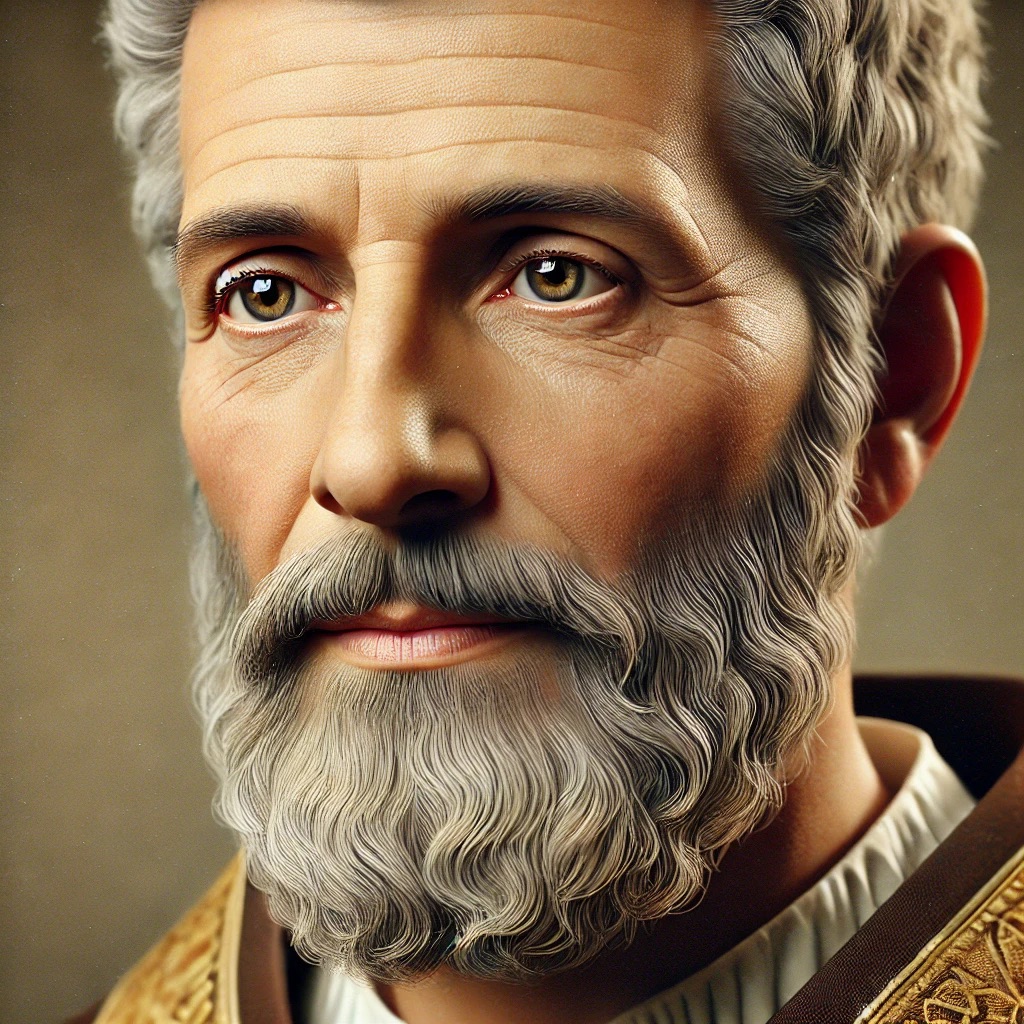
Ambrose of Milan (c. 340–397 AD) was a bishop, theologian, and one of the most influential figures in the early Church. Known for his profound impact on the theological, liturgical, and political life of Western Christianity, Ambrose is celebrated as one of the four original Doctors of the Church. Born into a Roman Christian family in Trier (modern-day Germany), Ambrose received a classical education in rhetoric and law, preparing him for a career in public service.
His unexpected election as bishop of Milan in 374 AD marked a turning point in his life and in the history of the Church. Though he was initially unbaptized, Ambrose accepted the call, was baptized, and quickly ordained. His tenure as bishop was marked by bold leadership, theological brilliance, and pastoral care, shaping the Church during a time of significant doctrinal and political challenges.
Ambrose’s View
Ambrose’s theology and leadership reflect a commitment to orthodoxy, the authority of the Church, and the moral transformation of individuals and society. Key aspects of his thought include:
1. Defender of Orthodoxy:
Ambrose was a staunch opponent of Arianism, which denied the full divinity of Christ. His unwavering support for the Nicene Creed helped preserve orthodox doctrine in the Western Church.
2. The Role of the Church in Society:
Ambrose believed in the Church’s authority to guide and challenge political leaders. He famously confronted Emperor Theodosius I, compelling him to publicly repent for ordering the massacre in Thessalonica.
3. Theological Development:
Ambrose contributed significantly to the development of Western theology, particularly in the areas of Christology and the Holy Spirit’s divinity. His writings on grace and free will influenced later thinkers, including Augustine of Hippo.
4. Liturgical Contributions:
Ambrose enriched Christian worship through hymnody and liturgical innovation. The “Ambrosian chant,” a style of plainchant, is attributed to him and continues to be used in some liturgical traditions.
5. Moral and Pastoral Care:
Ambrose emphasized the transformative power of Christian virtue and repentance. His sermons and writings often addressed practical moral issues, encouraging his flock to pursue holiness in everyday life.
Contributions to Christianity
Ambrose’s legacy is vast, encompassing theology, liturgy, and Church-state relations. His contributions include:
1. Opposition to Heresy:
Ambrose’s defense of Nicene orthodoxy helped secure the Church’s theological foundation against Arianism. His debates and writings were instrumental in affirming the co-equality of the Trinity.
2. Mentorship of Augustine:
Ambrose played a pivotal role in the conversion of Augustine of Hippo, who later became one of the most significant theologians in Church history. Augustine credited Ambrose’s preaching and example as critical influences on his journey to faith.
3. Liturgical Innovation:
Ambrose introduced hymns and antiphonal chanting to Christian worship, enriching the liturgical life of the Church and making worship more accessible and participatory.
4. Church-State Relations:
Ambrose’s confrontation with Emperor Theodosius established a precedent for the Church’s moral authority over political leaders, shaping the relationship between Church and state for centuries.
5. Theological Writings:
His works, including On the Mysteries and On the Duties of the Clergy, continue to inspire Christians with their profound theological insights and practical guidance.
Legacy
Ambrose of Milan remains a towering figure in Church history, remembered for his courage, wisdom, and spiritual depth. His ability to navigate complex theological, political, and pastoral challenges made him a model bishop and leader. Ambrose’s life and writings continue to inspire Christians to stand firm in their convictions, pursue holiness, and engage the world with boldness and grace. His legacy as a theologian, liturgist, and moral leader underscores the enduring power of faith to transform individuals and societies.
 Tom's Theology Blog
Leave a comment