
Thinkers and Theologians
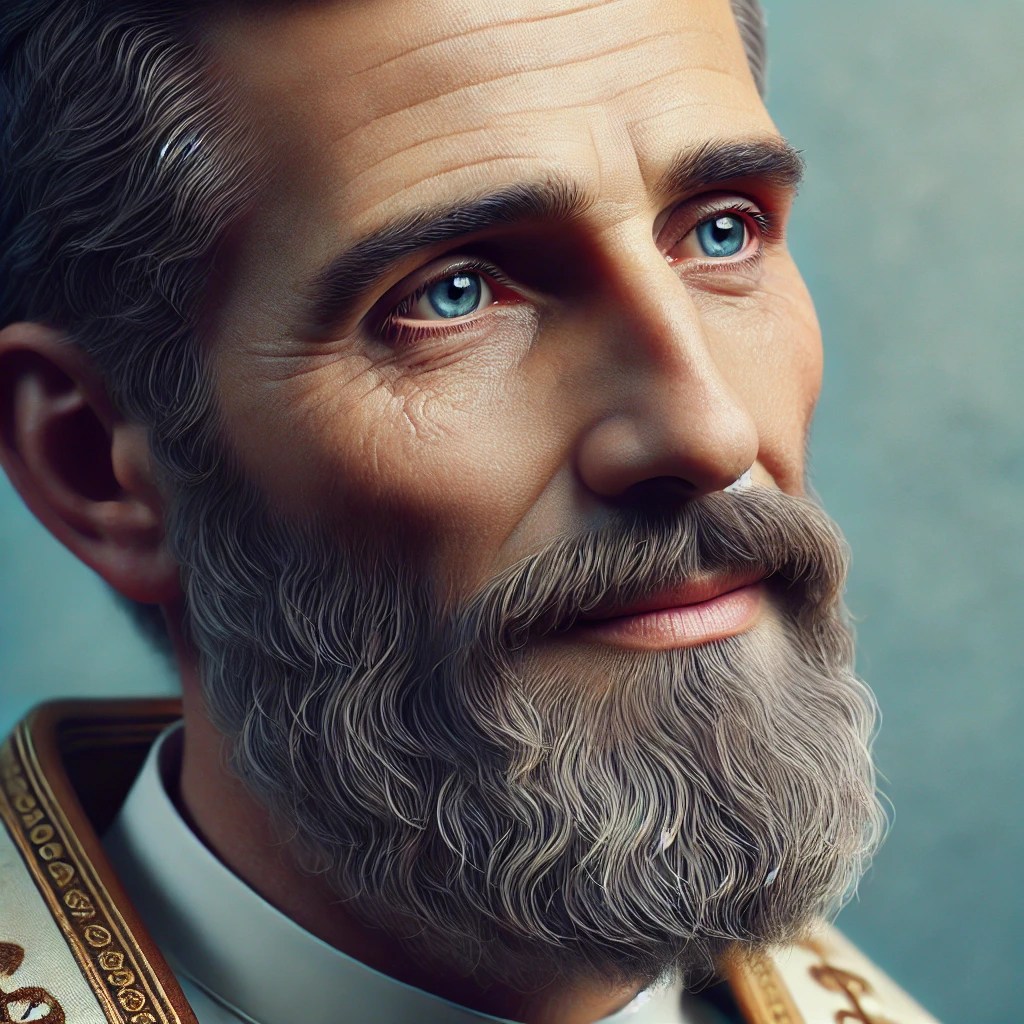
Cyril of Alexandria (c. 376–444 AD) was a towering figure in early Christian theology, known for his defense of Christ’s divinity and his pivotal role in shaping Christological doctrine. As the Patriarch of Alexandria from 412 AD until his death, Cyril was both a theologian and a strong leader who navigated intense doctrinal conflicts, particularly in his opposition to Nestorius, the Patriarch of Constantinople.
Cyril’s Christology became central to the Council of Ephesus in 431 AD, where he championed the title Theotokos(“God-bearer”) for Mary, affirming the full divinity of Christ from the moment of His incarnation. His writings, particularly Against Nestorius and Commentary on John, remain foundational for both Eastern and Western Christian traditions, influencing later theological debates on the nature of Christ.
Cyril’s View
Cyril’s theology is marked by a profound commitment to Christ’s identity as both fully God and fully man. His key theological emphases include:
- The Unity of Christ’s Nature:
Cyril strongly opposed any teaching that suggested Christ was divided into two separate persons. He argued that Christ is one divine Person with two natures—fully divine and fully human—inseparably united. - Mary as Theotokos:
Cyril defended the title Theotokos (“God-bearer” or “Mother of God”) against Nestorius, insisting that since Christ is truly God from conception, Mary rightly bore God in the flesh. - Biblical Exegesis and Christology:
His Commentary on John and other works show his deep scriptural insights, interpreting the Gospels in ways that emphasized Christ’s divine authority and unity with the Father. - Defense of Nicene Orthodoxy:
Cyril continued the work of earlier Nicene defenders by ensuring that the doctrine of Christ’s divinity remained central to Christian teaching, rejecting any compromise with Arianism or Nestorianism. - Sacramental Theology:
Cyril’s writings emphasize the real presence of Christ in the Eucharist, seeing the sacrament as a means of participation in Christ’s divine life.
Contributions to Christianity
Cyril of Alexandria’s theological and pastoral leadership had a lasting impact on the Church:
- Council of Ephesus (431 AD):
His leadership at the Council of Ephesus secured the affirmation of Mary as Theotokos and condemned Nestorianism, shaping Christological doctrine for centuries. - Development of Christology:
His teachings laid the foundation for later theological developments, particularly at the Council of Chalcedon (451 AD), which built upon his defense of Christ’s unified personhood. - Defense of Orthodoxy:
Cyril played a crucial role in preserving Nicene Christianity and ensuring that Christ’s full divinity was upheld against alternative teachings. - Biblical Scholarship:
His exegesis of Scripture, particularly in his Commentary on John, remains influential in understanding how early theologians interpreted the Gospels. - Liturgical Influence:
His theological reflections on the Eucharist and the Christian life shaped the sacramental and devotional practices of both Eastern Orthodox and Catholic traditions.
Legacy
Cyril of Alexandria’s life and work stand as a testament to the importance of theological clarity and the defense of truth in the face of controversy. His unwavering commitment to Christ’s divinity and his role in defining orthodox Christology continue to influence Christian theology to this day.
Though he was a controversial figure in his own time, often engaging in heated theological and political disputes, Cyril’s contributions remain vital for understanding the nature of Christ and the unity of His divine and human natures. His legacy challenges believers to hold fast to sound doctrine and to see Christ as the center of both theology and the Christian life.
 Tom's Theology Blog
Leave a comment