
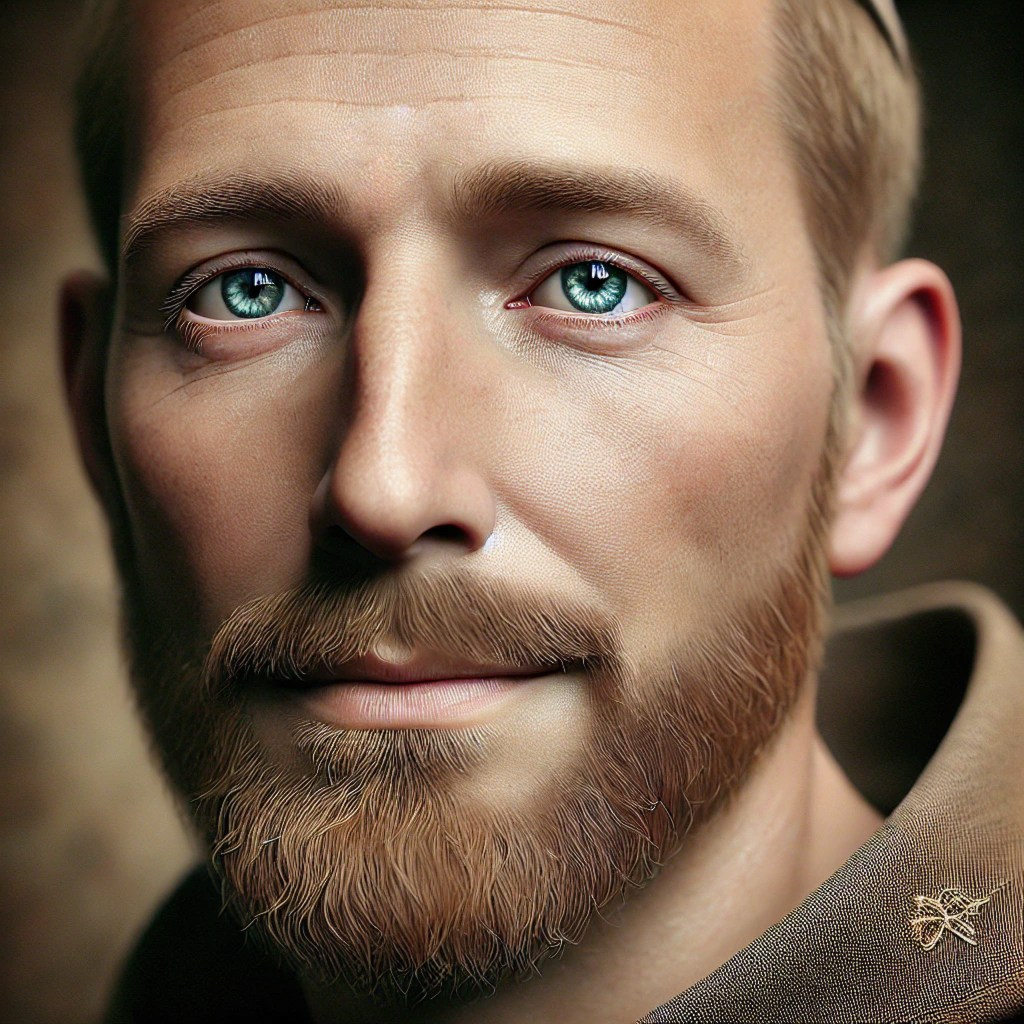
Thinkers and Theologians
Faustus of Riez (c. 410–490 AD) was a 5th-century bishop, theologian, and abbot known for his role in the Semi-Pelagian controversy and his defense of free will within the Christian life. A prominent figure in the Gallic Church, Faustus served as abbot of Lérins Abbey and later as Bishop of Riez, where he became a key voice in debates on grace, free will, and human cooperation with God’s saving work. His writings and pastoral leadership left a lasting imprint on the development of Western Christian theology.
Faustus of Riez’s View
Faustus of Riez’s theological outlook was deeply shaped by his ascetic background and his commitment to a balanced understanding of grace and human effort. Key aspects of his thought include:
- Grace and Free Will:
Faustus taught that while divine grace is necessary for salvation, human free will also plays an essential role. He rejected both Pelagianism (which denied the need for grace) and extreme Augustinianism (which minimized human cooperation), advocating for what became known as Semi-Pelagianism. - Asceticism and Holiness:
As a former abbot, Faustus emphasized ascetic practices such as fasting, prayer, and self-denial as means of cooperating with God’s grace and growing in holiness. - The Role of Baptism:
He upheld the necessity of baptism for the remission of sins, emphasizing that the grace received in baptism enables believers to pursue righteousness. - The Power of Human Effort:
Faustus believed that human effort, guided by grace, is critical in the Christian life. He taught that God empowers believers to resist sin and strive for virtue through their choices. - Pastoral Compassion:
His writings and sermons reflected a deep pastoral heart, encouraging Christians to persevere in their struggles with sin and to trust in God’s mercy.
Contributions to Christianity
Faustus of Riez contributed significantly to theological debates, monastic spirituality, and the pastoral life of the Gallic Church:
- The Semi-Pelagian Controversy:
Faustus was a leading voice in the Semi-Pelagian debate, which sought to affirm the necessity of grace while preserving the importance of human cooperation. His writings influenced discussions at the Second Council of Orange (529 AD), which ultimately rejected Semi-Pelagianism but acknowledged that grace and free will are not in conflict. - The De Gratia (On Grace):
His treatise De Gratia became a central text in the Semi-Pelagian controversy, defending the idea that grace and free will work together in the process of salvation. - Promotion of Monastic Life:
As abbot of Lérins Abbey, Faustus played a key role in spreading monastic ideals throughout Gaul, emphasizing a life of prayer, service, and community. - Defense Against Heresies:
Faustus defended Christian orthodoxy against heresies such as Arianism, which denied the full divinity of Christ. He upheld the doctrine of the Trinity and the Incarnation, ensuring the preservation of apostolic teaching. - Pastoral Writings and Sermons:
His sermons, though only partially preserved, reveal his passion for spiritual formation, practical holiness, and the encouragement of the faithful.
Legacy
Faustus of Riez’s legacy is defined by his contributions to the theological conversation on grace and free will. While his Semi-Pelagian views were later condemned, his insistence on human responsibility in salvation continued to shape Western theological thought. The debates he engaged in influenced the development of doctrines on grace, human cooperation, and the nature of salvation in the medieval and modern Church.
As a pastor and monk, Faustus’s commitment to holiness, prayer, and service became a model for generations of Christian leaders. His life reminds the Church that theological debate, when pursued with humility and faithfulness, can refine and clarify the truth.
Faustus of Riez remains a significant figure in early Christian history—both as a theologian and as a shepherd of souls—whose legacy endures through his writings, his monastic influence, and his contributions to one of the most important theological debates in Church history.
 Tom's Theology Blog
Leave a comment