
Thinkers and Theologians
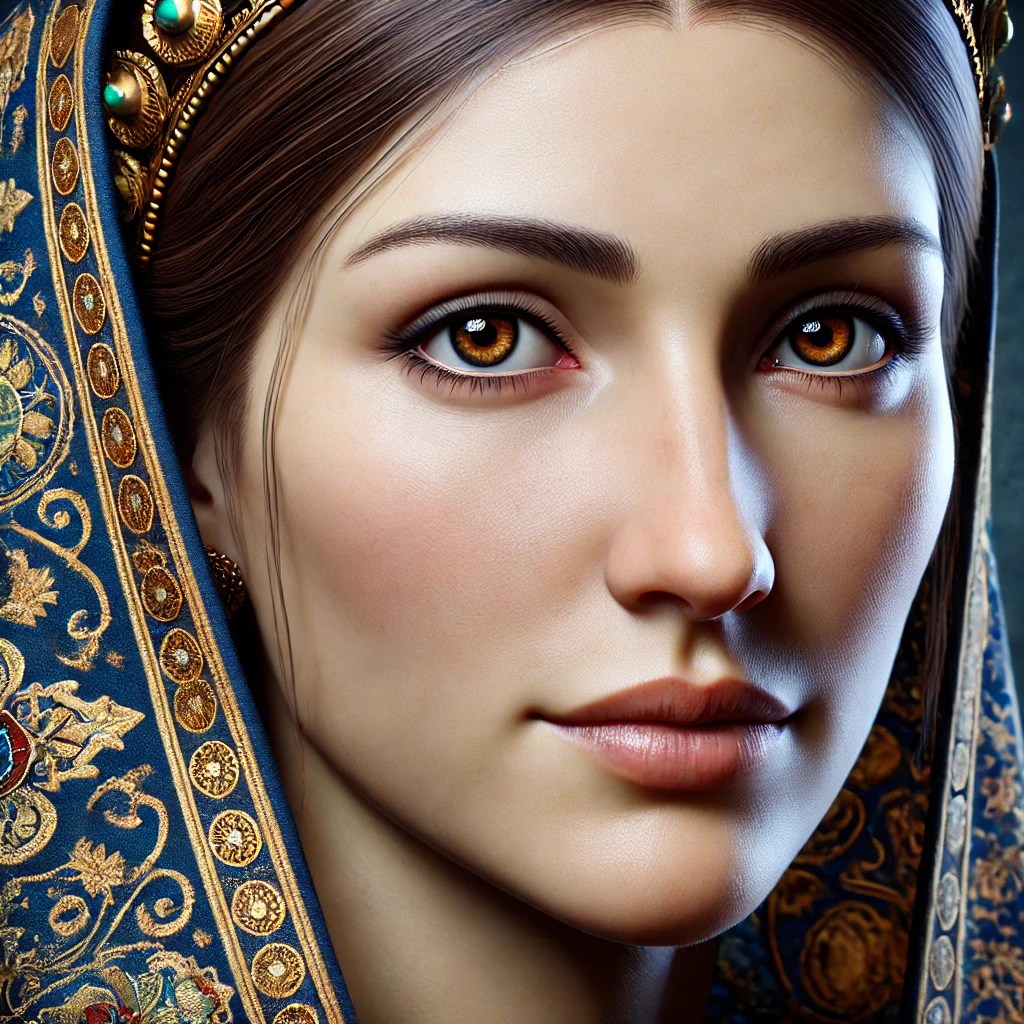
Anicia Juliana (c. 462–527 AD) was a Byzantine noblewoman, Christian patron, and theologian, renowned for her contributions to Christian art, architecture, and theological thought. Born into the wealthiest and most influential imperial family of the Eastern Roman Empire, Anicia Juliana was the daughter of Flavius Anicius Olybrius, a former Western Roman Emperor. Despite her aristocratic lineage, Anicia Juliana is remembered not for political power but for her devotion to Christian patronage, her theological influence, and her efforts in preserving Christian heritage.
Her most enduring legacy is her support for church-building projects, theological writings, and commissioning of illuminated manuscripts, particularly the Vienna Dioscorides, one of the most famous surviving Byzantine codices. Through her works, she left a lasting impact on Byzantine theology, Christian iconography, and the development of sacred architecture.
Anicia Juliana’s View
Anicia Juliana’s theological vision was expressed through her patronage of Christian art, liturgy, and sacred spaces. Key aspects of her thought include:
- Theological Symbolism in Art and Architecture:
Anicia Juliana believed that Christian theology should be expressed not only in writing but also in the beauty of sacred spaces. She funded the construction of churches decorated with intricate mosaics, frescoes, and iconography that reflected deep theological truths. - Defense of Orthodoxy:
At a time when Christological debates, such as the conflict between Chalcedonians and Monophysites, threatened Church unity, Anicia Juliana supported Chalcedonian orthodoxy, ensuring that her projects reflected Nicene-Christian beliefs. - The Role of Women in Christian Patronage:
As a powerful woman in the Byzantine world, Anicia Juliana exemplified female leadership in Christian theological and artistic development, setting a model for future women in the Church. - Sacred Literature and Christian Learning:
She commissioned theological manuscripts, including illuminated codices, ensuring the preservation and transmission of Christian knowledge. - Divine Kingship and Christian Rule:
Like many Byzantine rulers and elites, she viewed imperial authority as being divinely sanctioned, and she used her resources to glorify God through public works and sacred writings.
Contributions to Christianity
Anicia Juliana’s contributions shaped Byzantine Christianity, influencing sacred architecture, literature, and the role of women in Christian scholarship:
- Church Patronage and Architecture:
She funded the construction of churches such as the Church of St. Polyeuctus in Constantinople, which later influenced Hagia Sophia, the greatest church of the Byzantine Empire. - Vienna Dioscorides Manuscript (512 AD):
One of her most famous projects, this illuminated manuscript, gifted to her, contains a portrait of Anicia Juliana, making it one of the earliest surviving donor portraits in Christian history. - Preservation of Christian Knowledge:
By commissioning illuminated theological texts, she ensured the survival and transmission of Christian doctrine and classical knowledge in the medieval period. - Promotion of Chalcedonian Christianity:
During a time of theological divisions, Anicia Juliana stood firm in supporting the decisions of the Council of Chalcedon (451 AD), advocating for Christ’s two natures (divine and human) in one person. - Elevating Women’s Role in Christian Society:
As a Christian scholar and patron, she paved the way for later women in Byzantium to take active roles in theological and monastic development.
Legacy
Anicia Juliana remains a symbol of Christian patronage, scholarship, and artistic devotion. Her commitment to theological orthodoxy, sacred architecture, and the preservation of Christian knowledge influenced the Byzantine Renaissance of the 9th and 10th centuries.
Her Church of St. Polyeuctus, though no longer standing, inspired later Byzantine architectural innovations, while the Vienna Dioscorides remains one of the most treasured manuscripts of the medieval world.
As one of the first known female Christian patrons of theology and sacred art, Anicia Juliana’s faith and intellectleft an indelible mark on Christian history, reminding us that theology is not only written but also built, painted, and illuminated for future generations to witness the glory of God.
 Tom's Theology Blog
Leave a comment