
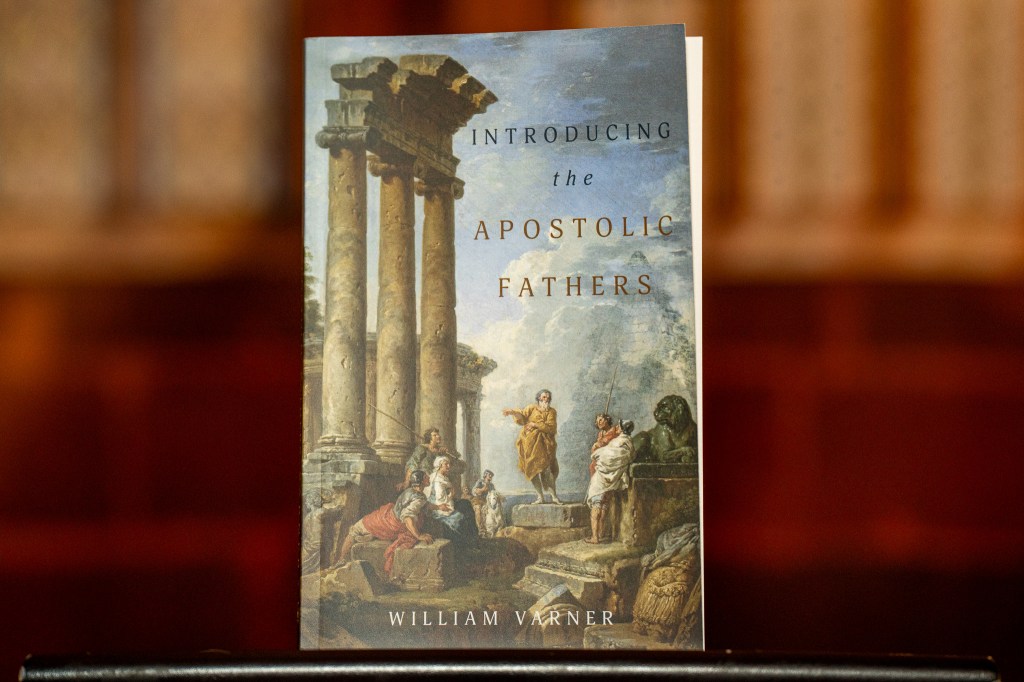
A Review of William Varner’s Introducing the Apostolic Fathers
For many Christians, there is a large and unnecessary gap between the world of the New Testament and the rise of later church history. We often jump straight from the book of Acts to the Reformation or to modern Christianity, as though the earliest generations after the apostles left us little record of their faith, struggles, or teachings.
This is why Dr. William Varner’s Introducing the Apostolic Fathers is so valuable—and so needed.
Varner provides readers with a clear, reliable, and accessible guide to the earliest Christian writings outside the New Testament. These are the works produced during the last decades of the apostolic era and the generations immediately following it, by men who either knew the apostles or lived close enough to feel the impact of their teaching.
Far from being dry or distant, these writings offer a window into how the earliest believers lived out the faith delivered to them by the apostles. Varner’s book equips modern readers to appreciate these voices with proper context and understanding.
A Clear and Manageable Introduction
Varner’s strength lies in his ability to take a complex body of early Christian literature and make it approachable. His chapters guide the reader through each major text:
- The Didache
- The Shepherd of Hermas
- 1 & 2 Clement
- Ignatius of Antioch
- Polycarp
- The Martyrdom of Polycarp
- The Epistle of Barnabas
- The Letter to Diognetus
- The fragments of Papias
Each chapter provides the historical setting, major themes, theological value, and the lasting significance of the text. The result is a book that doesn’t overwhelm beginners yet still offers meaningful depth for pastors, teachers, and serious students of Scripture.
Why This Book Matters Today
1. It helps modern Christians understand continuity with the apostolic age.
These early writings show how the first generations of believers interpreted the teachings of Jesus and the apostles. They preserve sermons, pastoral letters, and accounts of martyrdom that shaped Christian identity long before councils or creeds.
2. It strengthens apologetics and historical confidence.
Many skeptics claim Christianity evolved slowly or borrowed from outside traditions. The Apostolic Fathers provide strong evidence of early, consistent, and deeply biblical Christian belief. Varner presents this clearly.
3. It enriches discipleship and spiritual formation.
These early writers call the Church to holiness, faithfulness under persecution, love for Scripture, and devotion to Christ. Varner helps readers hear these voices with fresh appreciation.
4. It is academically responsible while remaining very readable.
Some books on patristics are too technical; others too superficial. Varner’s work strikes the right balance.
A Perfect Companion. The Apostolic Fathers: An Introduction and Translation
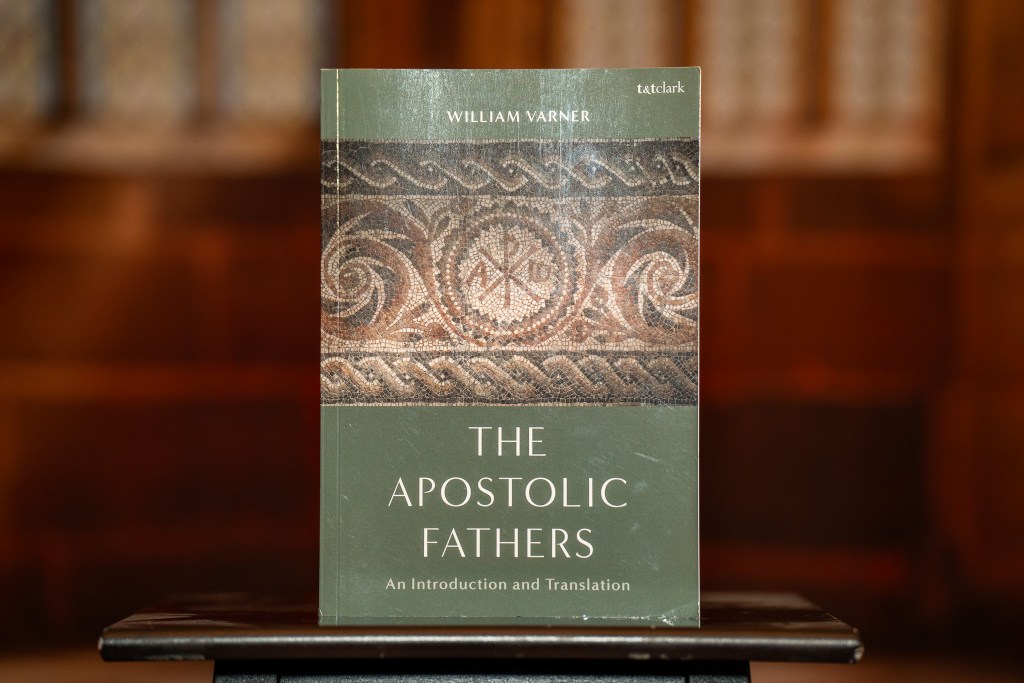
While this review focuses on Introducing the Apostolic Fathers, the book gains even more value when paired with Varner’s earlier volume, The Apostolic Fathers: An Introduction and Translation.
Together they give readers:
- the original texts (in fresh, readable English), and
- a clear introduction explaining their context, structure, and importance.
For pastors, Bible teachers, students, seminary graduates, and thoughtful Christian readers, these two titles form a well-rounded and extremely useful pair.
Should This Be on Your Shelf? Absolutely.
Varner’s Introducing the Apostolic Fathers fills an important gap. It is:
- reliable
- clear
- historically grounded
- theologically thoughtful
- and highly accessible
If you want to understand the earliest generations of Christians—those who lived during and shortly after the time of the apostles—this book belongs in your library.
And if you pair it with Varner’s translation volume, you will have one of the best available gateways into the world of the Apostolic Fathers.
These are essential books for every Christian, as they offer important insights into the core beliefs and practices that influenced early Christian communities, helping to understand faith, historical challenges, and the growth of early Christianity.
You can order them through Amazon by clicking Introducing the Apostolic Fathers, and The Apostolic Fathers: An Introduction and Translation.

Dr. William C. Varner is a respected biblical scholar, translator, and longtime professor of Biblical Languages and Bible Exposition at The Master’s University in Santa Clarita, California. With degrees from Bob Jones University, Biblical Theological Seminary, Dropsie College, and an Ed.D. from Temple University, he brings decades of academic depth to his teaching and writing. Dr. Varner spent over seven years in pastoral ministry before joining The Master’s University, where he also directed the IBEX program and led more than fifty study tours to Israel and biblical lands. He has authored over twenty books and more than a hundred articles on biblical studies, early Christianity, Greek exegesis, and Jewish–Christian relations. His expertise in early Christian literature makes his work on the Apostolic Fathers especially valuable, and his translation and commentary volumes reflect a rare blend of scholarship and pastoral clarity. In addition to his academic contributions, Dr. Varner is also one of the translators of the Legacy Standard Bible (LSB), bringing his linguistic precision and theological care into one of the most respected modern translations. Widely recognized for his excellence in teaching and his commitment to grounding Christians in the riches of Scripture and early Christian history, Dr. Varner remains one of the most trusted evangelical voices in the study of the early Church.
 Tom's Theology Blog
Leave a comment