
Thinkers and Theologians
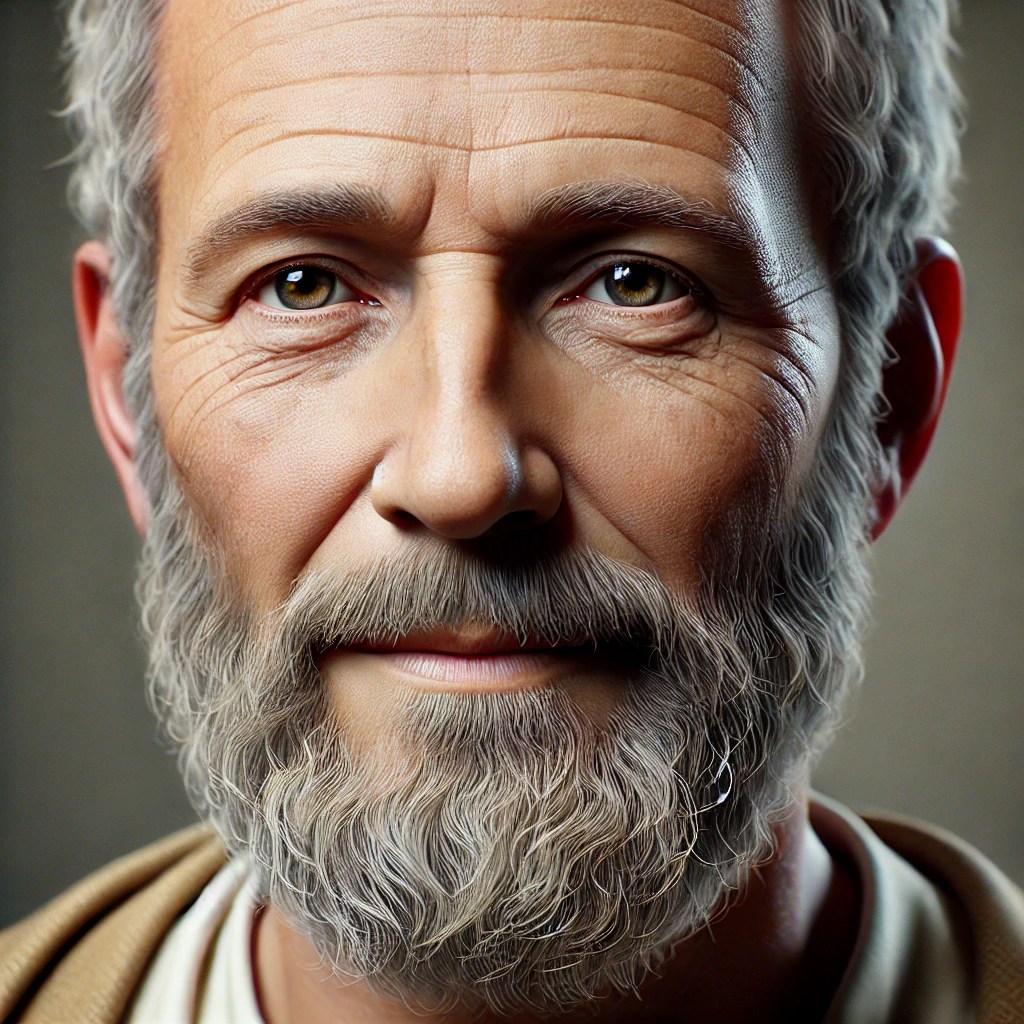
Cyprian of Carthage (c. 200–258 AD) was a bishop, theologian, and martyr whose life and writings profoundly shaped the early Church. Born into a wealthy pagan family in Carthage, Cyprian was well-educated in rhetoric and philosophy. After converting to Christianity in 246 AD, he was quickly elevated to bishop of Carthage due to his zeal, wisdom, and leadership abilities. His tenure as bishop coincided with some of the most turbulent times for the Church, including the Decian persecution and internal disputes over lapsed Christians who renounced their faith under threat of death.
Cyprian’s theological writings, pastoral leadership, and martyrdom solidified his legacy as one of the most significant figures of the early Church. His works, such as De Unitate Ecclesiae (On the Unity of the Church) and De Mortalitate (On Mortality), continue to inspire Christians for their clarity, courage, and commitment to unity within the Church.
Cyprian’s View
Cyprian’s theology emphasizes the unity of the Church, the role of the bishop, and the hope of eternal life. Key aspects of his thought include:
1. The Unity of the Church:
Cyprian is best known for his defense of ecclesial unity, famously declaring, “He cannot have God as his Father who does not have the Church as his Mother.” He emphasized that salvation is found within the visible Church, under the authority of bishops, who maintain unity through apostolic succession.
2. The Authority of Bishops:
Cyprian argued that bishops are the guardians of orthodoxy and the unity of the Church. He stressed the importance of episcopal authority in maintaining doctrinal purity and resolving disputes, especially during crises like the lapses in faith during persecution.
3. The Problem of the Lapsed:
One of the major controversies of Cyprian’s time concerned Christians who had renounced their faith under persecution (the “lapsed”) and whether they could be readmitted to the Church. Cyprian advocated for a middle path, calling for repentance and reconciliation rather than automatic exclusion or easy forgiveness.
4. Martyrdom and Eternal Hope:
Cyprian’s writings during the Decian persecution reflect his belief in the value of martyrdom and the hope of eternal life. In De Mortalitate, he encouraged Christians to embrace suffering and death as a pathway to heavenly glory, framing persecution as a test of faith.
5. Charity and the Christian Life:
Cyprian emphasized the importance of love and charity within the Christian community. He believed that acts of compassion toward the poor and suffering were a vital expression of faith and a reflection of Christ’s love.
Contributions to Christianity
Cyprian’s life and writings made lasting contributions to Christian theology and practice, particularly in the areas of ecclesiology, pastoral care, and the theology of martyrdom:
1. Ecclesiology:
Cyprian’s vision of the Church as a unified body under episcopal authority shaped the development of ecclesiology in both the Western and Eastern traditions. His work laid the foundation for later discussions on Church authority and unity.
2. Pastoral Leadership:
During times of persecution and theological controversy, Cyprian provided wise and courageous leadership. His balanced approach to the lapsed Christians demonstrated both his pastoral sensitivity and his commitment to maintaining the integrity of the Church.
3. The Theology of Martyrdom:
Cyprian’s writings on persecution and martyrdom inspired countless Christians to remain steadfast in their faith. His own martyrdom in 258 AD, under the reign of Emperor Valerian, solidified his status as a model of Christian courage and conviction.
4. Charity and Community:
Cyprian’s emphasis on love and service within the Christian community underscored the practical outworking of faith. His teachings remind believers of their responsibility to care for one another, especially in times of crisis.
5. Apologetics:
Cyprian’s writings also served as an apologetic for the Christian faith, defending the Church’s structure, sacraments, and response to persecution. His eloquence and theological insight helped solidify the Church’s position in a hostile Roman world.
Cyprian of Carthage remains a towering figure in Church history, remembered for his unwavering commitment to unity, his pastoral wisdom, and his ultimate sacrifice as a martyr for the faith. His life and works continue to inspire Christians to stand firm in their convictions, to love one another, and to trust in the eternal hope of salvation.
 Tom's Theology Blog
Leave a comment