
Thinkers and Theologians
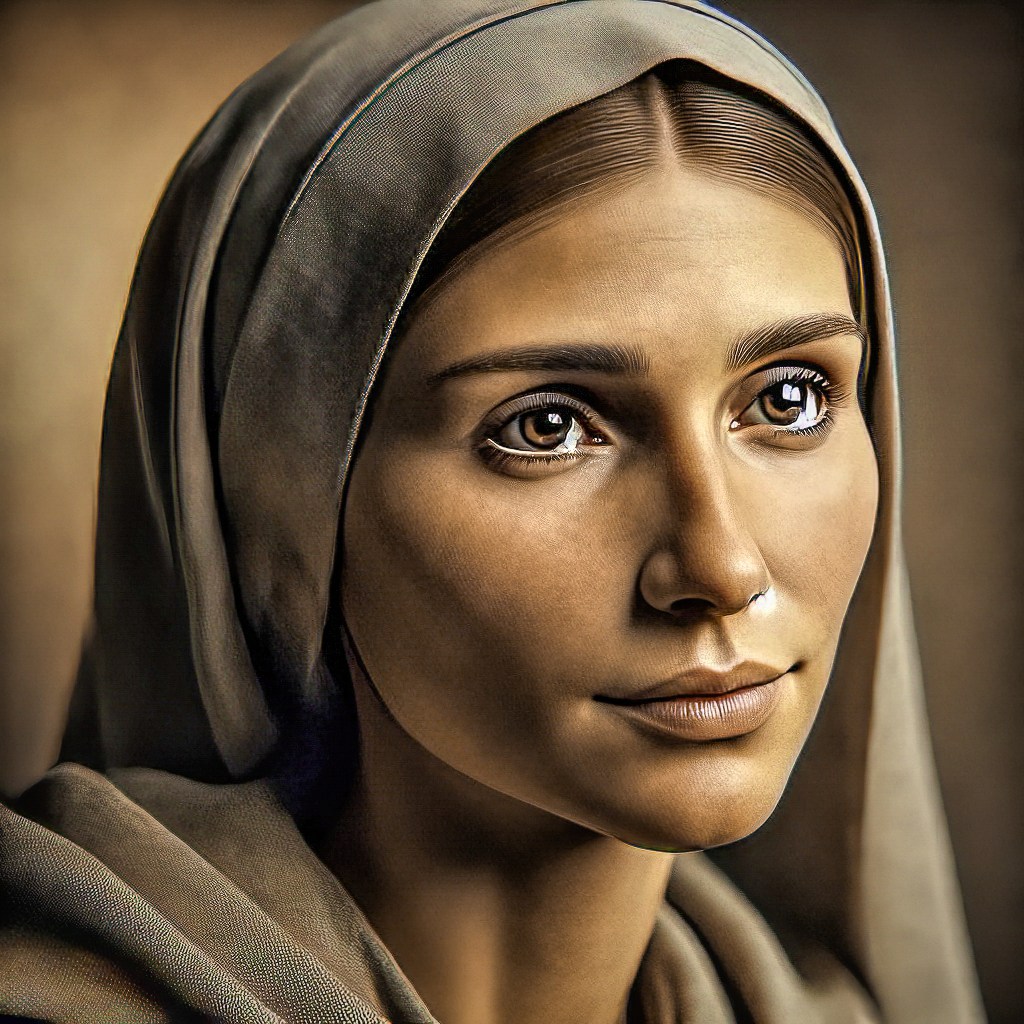
Macrina the Younger (c. 330–379 AD) was a pivotal figure in the early Church, whose spiritual influence profoundly shaped her family and the broader Christian tradition. Born into a devout Christian family in Cappadocia, Macrina was the sister of two renowned theologians, Basil the Great and Gregory of Nyssa, as well as of Peter of Sebaste, a bishop. Known as “The Teacher” within her family, Macrina was a guiding force who inspired the theological brilliance of her brothers and fostered a deep commitment to asceticism and the Christian life.
Though she did not write theological treatises, Macrina’s life of piety, wisdom, and dedication to Christ significantly influenced early Christian thought. Gregory of Nyssa recorded her theological insights in his dialogue On the Soul and the Resurrection, in which she articulates profound reflections on the nature of the soul and the hope of resurrection.
Macrina’s View
Macrina’s theology was lived out through her actions and her commitment to asceticism, faith, and the transformative power of Christ. Key elements of her thought include:
- Theology of the Resurrection:
Macrina’s reflections on the resurrection, preserved in Gregory’s writings, emphasize the immortality of the soul and the ultimate hope of eternal life with God. She viewed death not as an end but as a passage to a greater reality. - The Importance of Asceticism:
Macrina embraced a life of simplicity and self-denial, seeing ascetic practices as a means to grow closer to God and to reject worldly distractions. She founded a monastic community on the family estate, transforming it into a place of prayer and spiritual discipline. - Wisdom and Teaching:
Known for her intellectual and spiritual insight, Macrina guided her family and community in theological and ethical matters. Her wisdom earned her the title of “The Teacher” and made her a respected spiritual leader. - Equality of Souls:
Macrina believed in the spiritual equality of all people, regardless of social status or gender. Her teachings and community life reflected this belief, emphasizing the unity of humanity in Christ. - Christ-Centered Living:
For Macrina, every aspect of life was an opportunity to live out the Gospel. Her humility, charity, and dedication to prayer exemplified a life wholly devoted to Christ.
Contributions to Christianity
Macrina’s influence extended beyond her immediate family and left an enduring legacy in the Church:
- Spiritual Formation of the Cappadocian Fathers:
As the eldest sibling, Macrina was instrumental in shaping the faith and theological development of Basil the Great and Gregory of Nyssa. Her influence is evident in their writings and commitment to orthodoxy. - Monastic Foundations:
Macrina’s monastic community became a model for Christian asceticism, blending communal living with prayer, work, and contemplation. Her leadership helped establish monasticism as a vital expression of Christian faith. - Theological Legacy:
Gregory of Nyssa’s On the Soul and the Resurrection preserves Macrina’s theological insights, offering a unique glimpse into her profound understanding of the soul, death, and eternal life. - Role of Women in the Church:
Macrina’s leadership and intellectual contributions demonstrated the vital role women played in the early Church, inspiring future generations of Christian women to embrace their faith boldly. - Model of Holiness:
Macrina’s life of piety, humility, and wisdom set a standard for Christian discipleship, providing an example of how to live faithfully in all circumstances.
Legacy
Macrina the Younger’s life and teachings reveal the power of quiet, faithful service to Christ. Her theological reflections, monastic leadership, and spiritual influence shaped some of the most important figures in Christian history and contributed to the Church’s understanding of resurrection, asceticism, and the nature of the soul.
Her example reminds Christians of the profound impact one life can have on others when lived in devotion to God. Macrina’s legacy endures as a testament to the transformative power of faith, wisdom, and humility.
 Tom's Theology Blog
Leave a comment